

 11% off
CL2 Rated · In-Wall & Ceiling
In-Wall Speaker Wire CL2
UL-listed CL2 speaker wire for permanent wall and ceiling installs. 2- and 4-conductor builds in 12 and 14 AWG OFC.
- ★ Lifetime warranty
- ★ Free shipping over $25
- ★ ETL listed · UL standards
Overview
Why your in-wall wire needs a CL2 jacket
Two-step picker
Two questions decide the right speaker wire.
How long is the run and how much power the amp pushes. Use the picker, then choose the conductor that fits the budget and the room.
1 Pick the gauge
2 Pick the conductor
1
Step 1 · Pick the gauge
Thicker wire = lower resistance = cleaner power.
Every foot of speaker wire adds a tiny amount of resistance between the amp and the driver. The longer the run and the higher the wattage, the thicker the conductor needs to be to keep voltage drop under 5%.
- Short runs (<50 ft): 16 AWG is plenty.
- Most home theaters: 14 AWG sweet spot.
- Long / high-power runs: step up to 12 or 10 AWG.
Interactive · gauge picker
Tell us the run. We'll size the wire.
5 ft
5 ft50100150200+ ft
Amplifier power per channel
Recommended
14 AWG OFC
OFC speaker wire
Short home-theater run — 14 AWG OFC is the sweet spot for 5.1 / 7.1.
Shop 14 AWG OFCTop picks
In-Wall Speaker Wire CL2 — top picks.
11% off
 13% off
GEARit
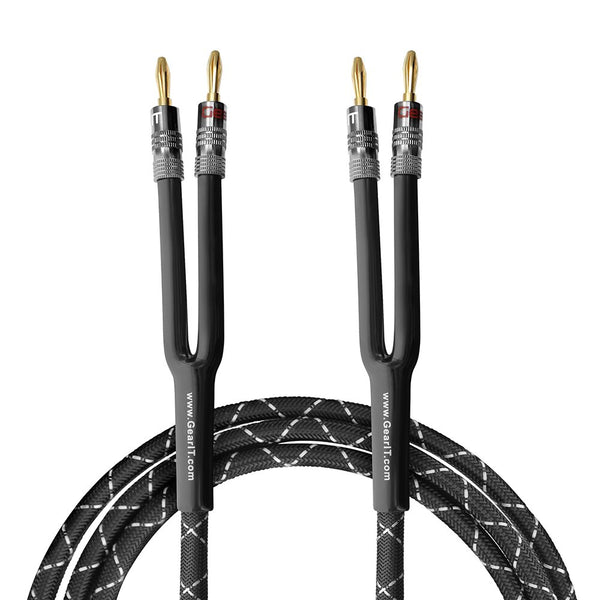
12 AWG In Wall Speaker Wire - CL2 Rated - Oxygen Free Copper (OFC), White
3 options
 10% off
 6% off
GEARit
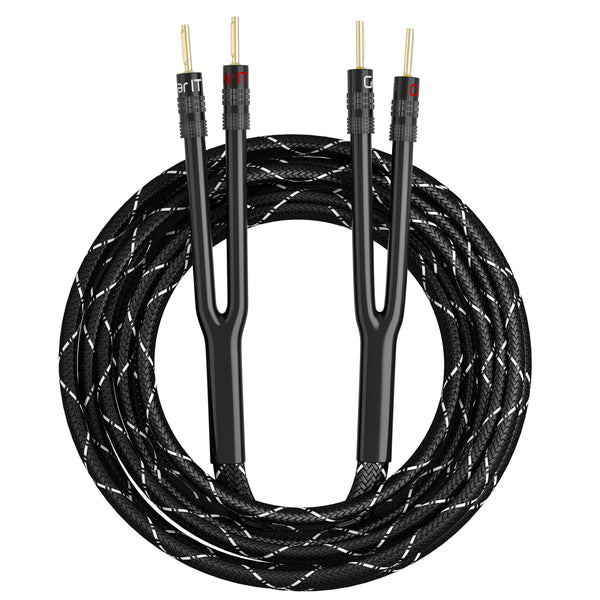
16 AWG In Wall Speaker Wire - CL2 Rated - Oxygen Free Copper (OFC), White
4 options
 13% off
 20% off
GEARit
14 AWG In Wall Speaker Wire 4-Conductor Bi-Wire Cables - CL2 Rated - Oxygen Free Copper (OFC), White
2 options

 31% off
GEARit
16 AWG In Wall Speaker Wire 4-Conductor Bi-Wire Cables - CL2 Rated - Oxygen Free Copper (OFC), White
2 options

GEARit
12 AWG In Wall Speaker Wire 4-Conductor Bi-Wire Cables - CL2 Rated - Oxygen Free Copper (OFC), White
$115.95
2 options
FAQ
Questions buyers actually ask.
Do I need a permit to run speaker wire inside my walls?
In most US jurisdictions, low-voltage speaker wire does not require a permit, but local codes vary. What is always required is that the cable carries a CL2 or CL3 jacket rating, which this wire does. Check with your local building department if you are unsure about your area.
Can I run this wire through the same wall cavity as electrical wiring?
Yes, CL2-rated speaker wire is listed for installation in the same wall cavity as standard 120V electrical wiring. The CL2 jacket meets the fire resistance requirements that make this legal under the NEC. Keep the cables separated and do not bundle them tightly together.
What is the difference between 2-conductor and 4-conductor in-wall wire?
2-conductor handles one speaker (positive and negative). 4-conductor lets a single cable run serve two speakers, which is useful for rear surrounds where you want both left and right on one pull, or for bi-amping speakers that have separate tweeter and woofer terminals.
How do I terminate in-wall speaker wire at the wall plate?
Strip about half an inch of the outer jacket, then strip about a quarter inch of each conductor. Most wall plates use either banana plug inserts or spring-clip terminals. Twist the strands tightly before inserting, and make sure no bare copper is exposed outside the terminal.
Can I get help choosing the right gauge for my room layout?
Absolutely. Email us at support@gearit.com with your room dimensions and the receiver wattage and we will recommend the right gauge for your specific install.